
doctor

Precision In Surgery Purpose in Every life

Comprehensive care for Head and Neck Cancers with surgical excellence, innovation, empathy and a commitment to restore quality of life.  

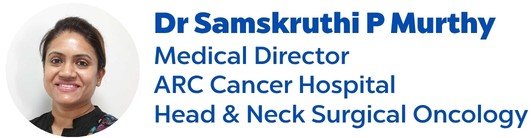
Dr Samskruthi P MurthyMedical Director - ARC Cancer Hospital

Head and Neck Surgical Oncologist | MBBS, MD, MCh & Fellowship

Skull Base Surgery

Advanced skull base Surgery focused on preserving function and improving outcomes.

Salvage Surgery

Specialised surgeries for recurrent and persistent Head and Neck Cancers.

Thyroid Surgery

Delivering tailored thyroid procedures with uncompromising clinical excellence.

Oral Cavity Cancer

Restoring speech, swallowing, and confidence through precise surgical care.

AboutDr Samskruthi P Murthy

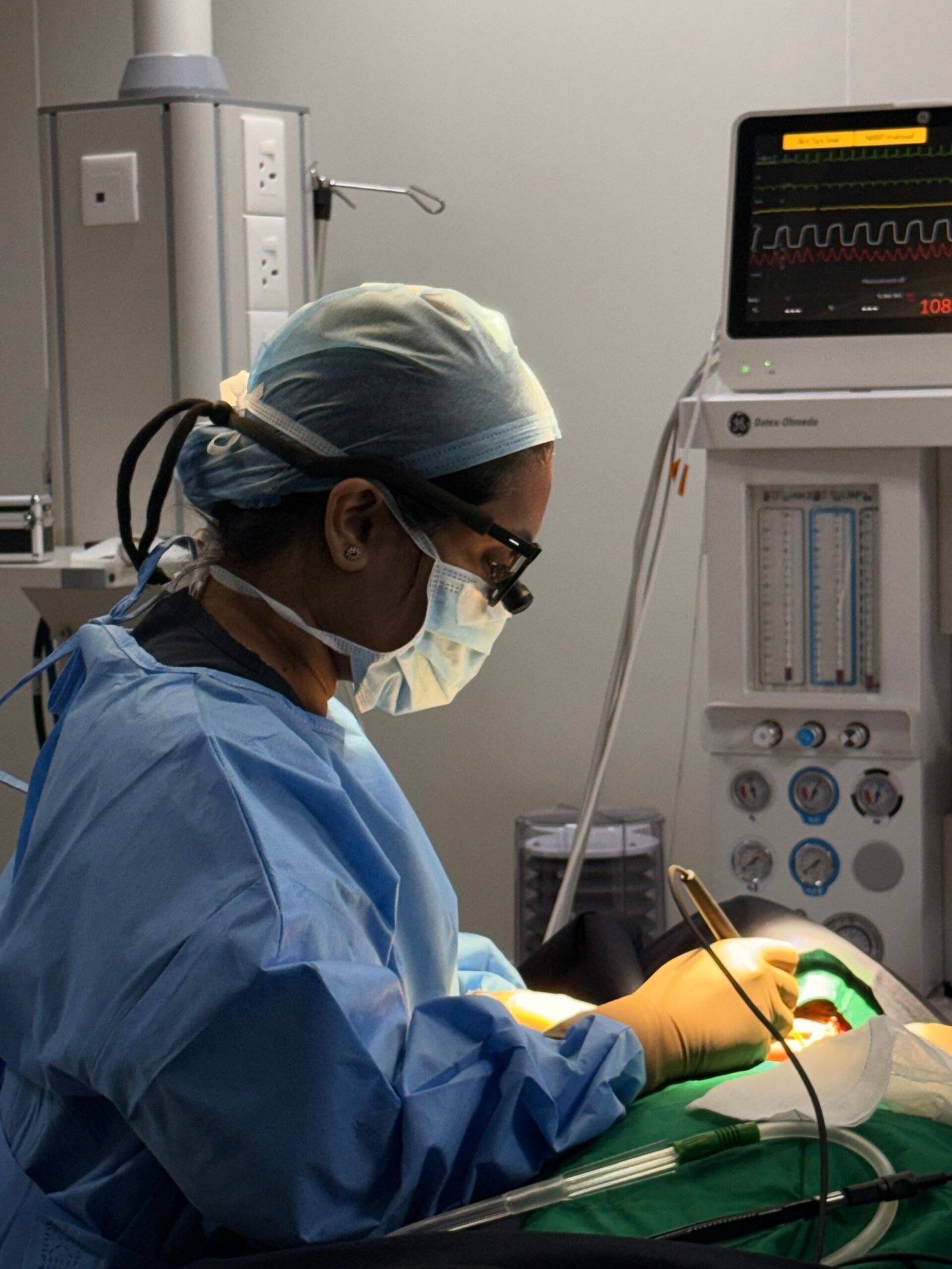
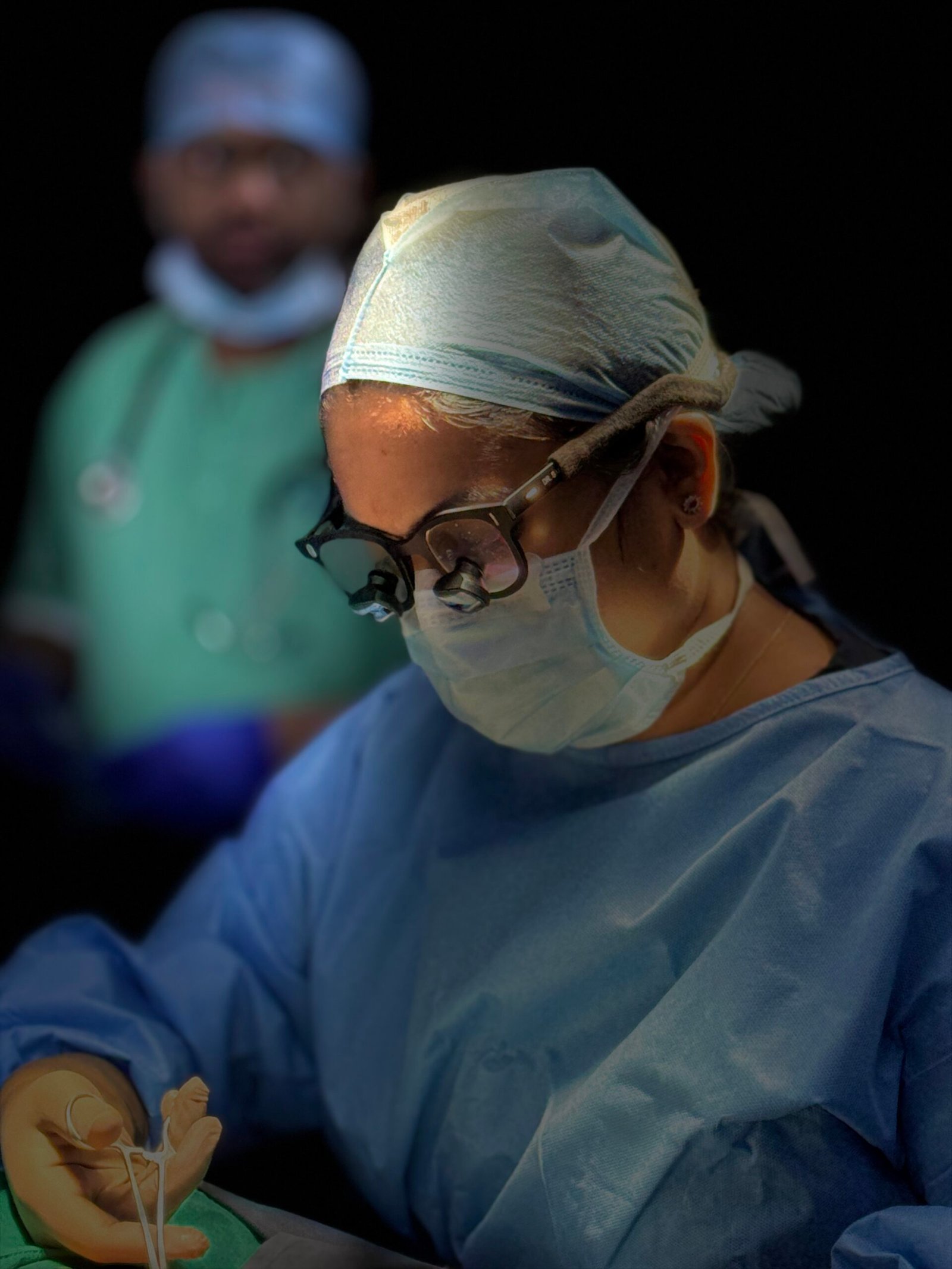
Dr. Samskruthi P. Murthy is a Head and Neck Surgical Oncologist based in Bengaluru with more than 16 years of experience in medicine and over a decade dedicated exclusively to the surgical management of head and neck Cancers.

Dr Samskruthi P Murthyctor - ARC Cancer Hospital

Head & Neck Oncology Surgeon

MBBS, MS, MCh & Fellowship
Over a decade and a half of surgical expertise.

ARC Cancer Hospital

Global standards in Oncology, personalized treatment protocols, and compassionate care led by Bangalore’s leading Oncologists.

ARC - Cancer Hospital

Where radiation Oncology is a founding commitment.

One address

Cancer hospital, diagnostics, and palliative care.

Experienced Professionals

Every patient reviewed by the full Tumour Board Always.

Easy Appointment

No targeted therapy without confirming the molecular target first.

Palliative Care

Palliative care begins at diagnosis — not when treatment fails.

Compassionate Care

Empathy that strengthens every patient journey.

Quality Care

Clinical excellence with uncompromising quality standards.

Patient Safety

Every decision begins with patient safety.

Research-Oriented

Advancing care through continuous research and innovation.

Who and When should one go to a Head and Neck Oncologist?

Awareness is important—not fear. A persistent lump, non-healing ulcer, difficulty swallowing, or voice change lasting more than three weeks despite medication should be evaluated by a Head and Neck Oncologist. Early diagnosis can make a significant difference.

Worried Families

You have noticed a lump in the neck, a voice change, or a mouth sore in a loved one that has not healed in three weeks despite medication. Something feels wrong and no one has given you a clear answer yet.

Referred Patients

Your doctor, ENT, or Oncologist has told you that you may have a head and neck cancer and needs a specialist Surgeon to take it forward. You have a diagnosis or a strong suspicion and need someone who operates in this field every single day.

Recurrence Warriors

If this is you: You have already been through surgery, radiation, or chemotherapy for a head and neck cancer and something does not feel right again. Your scans, symptoms, or instinct are telling you the cancer may have returned.
Events & Conferences

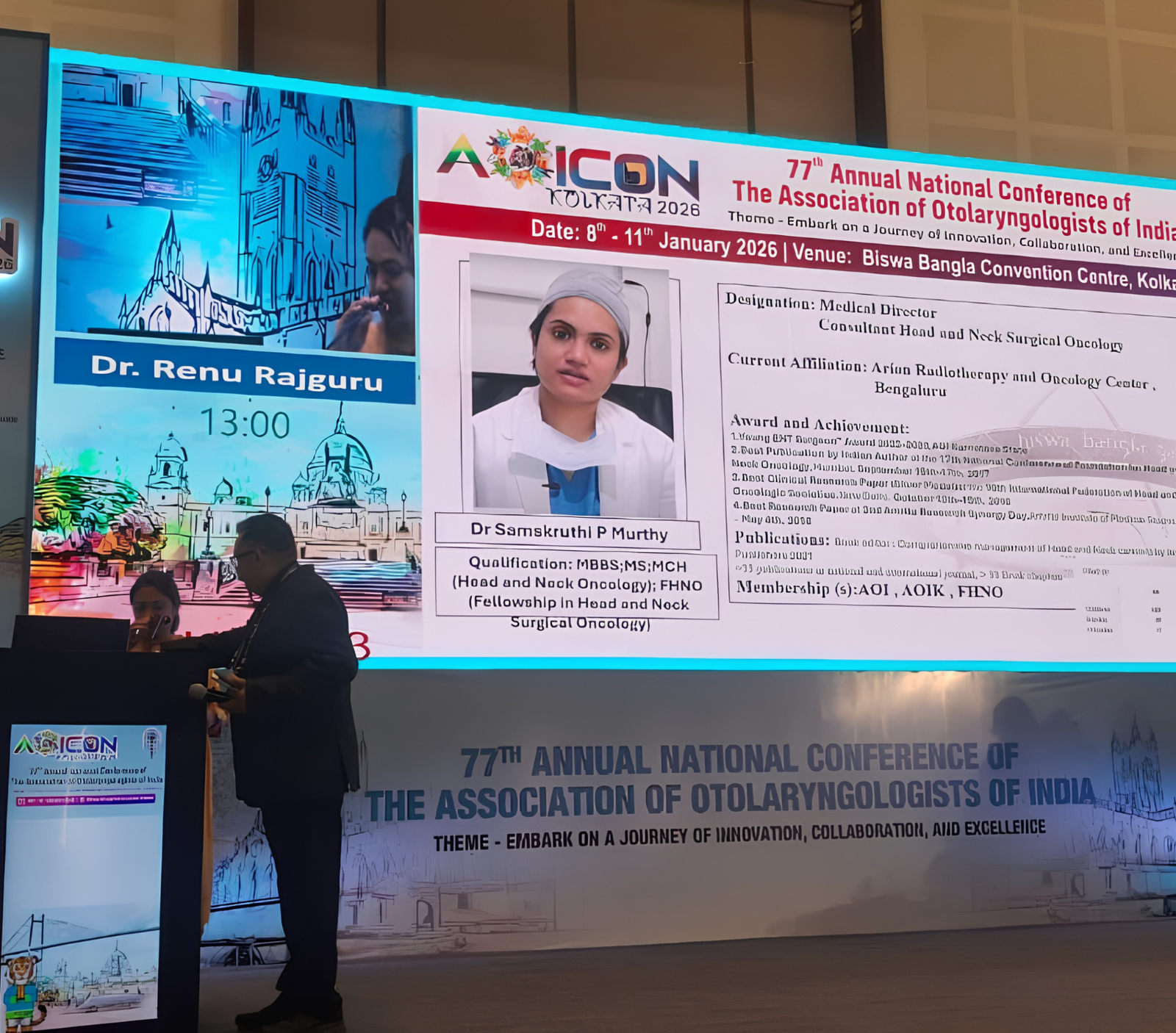
Speaker at AOICON 2026

Talk on Principles of Sequencing Surgery, Radiation, and Systemic Therapy in Head & Neck Cancer.

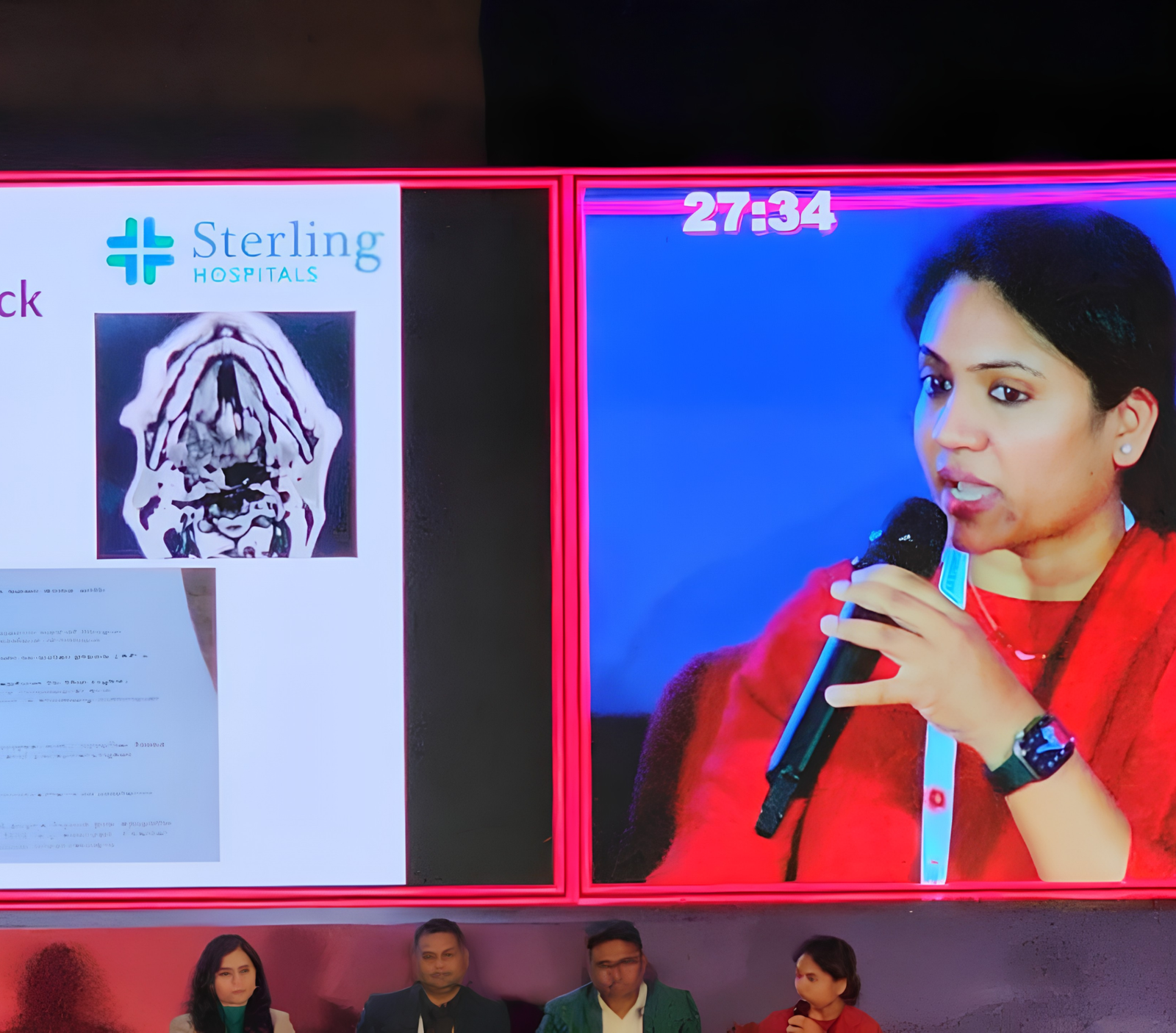
Young Radiation Oncologists Conference

Invited as a Panelist at the 12th Young Radiation Oncologists Conference (YROC 2026).

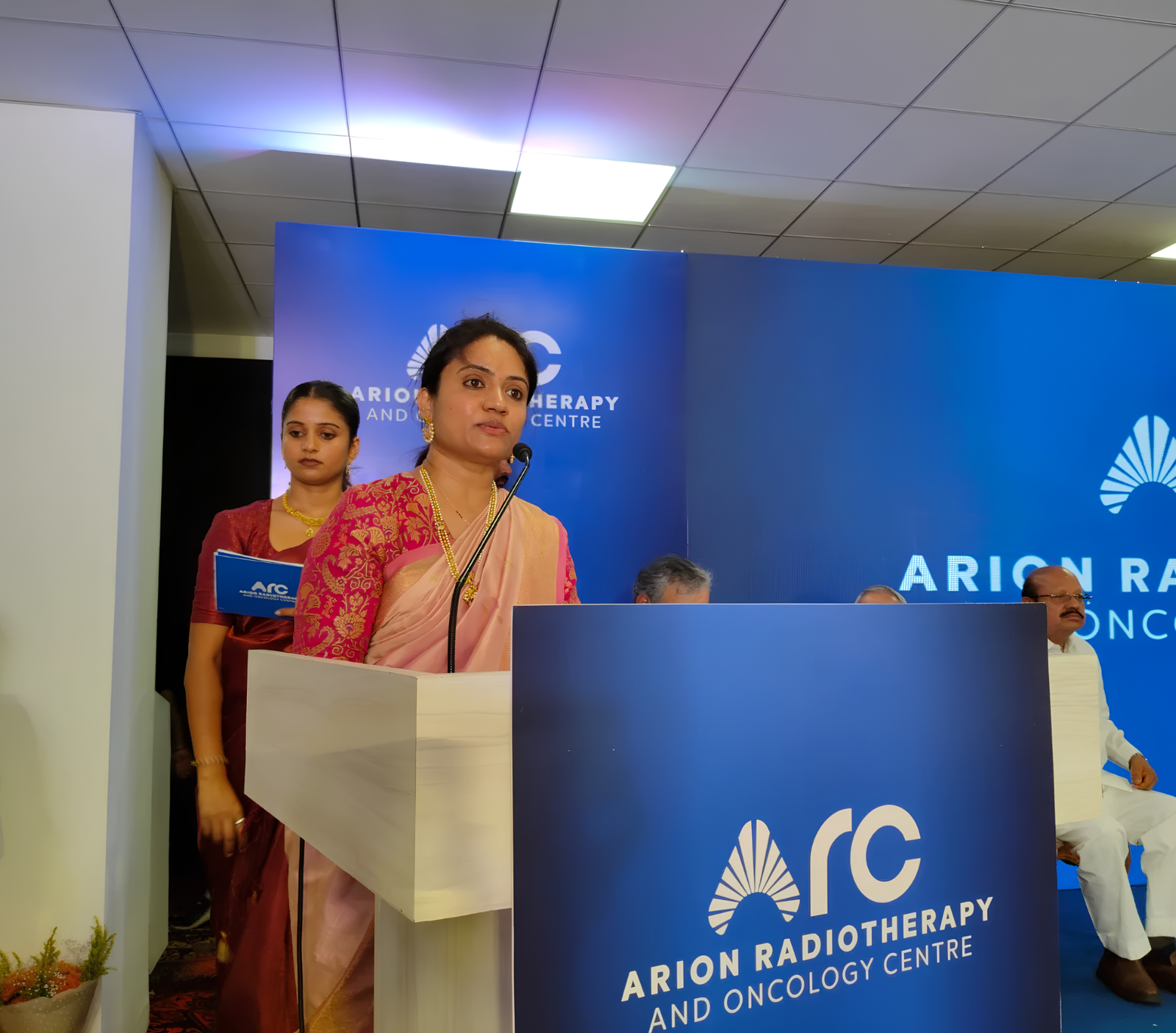
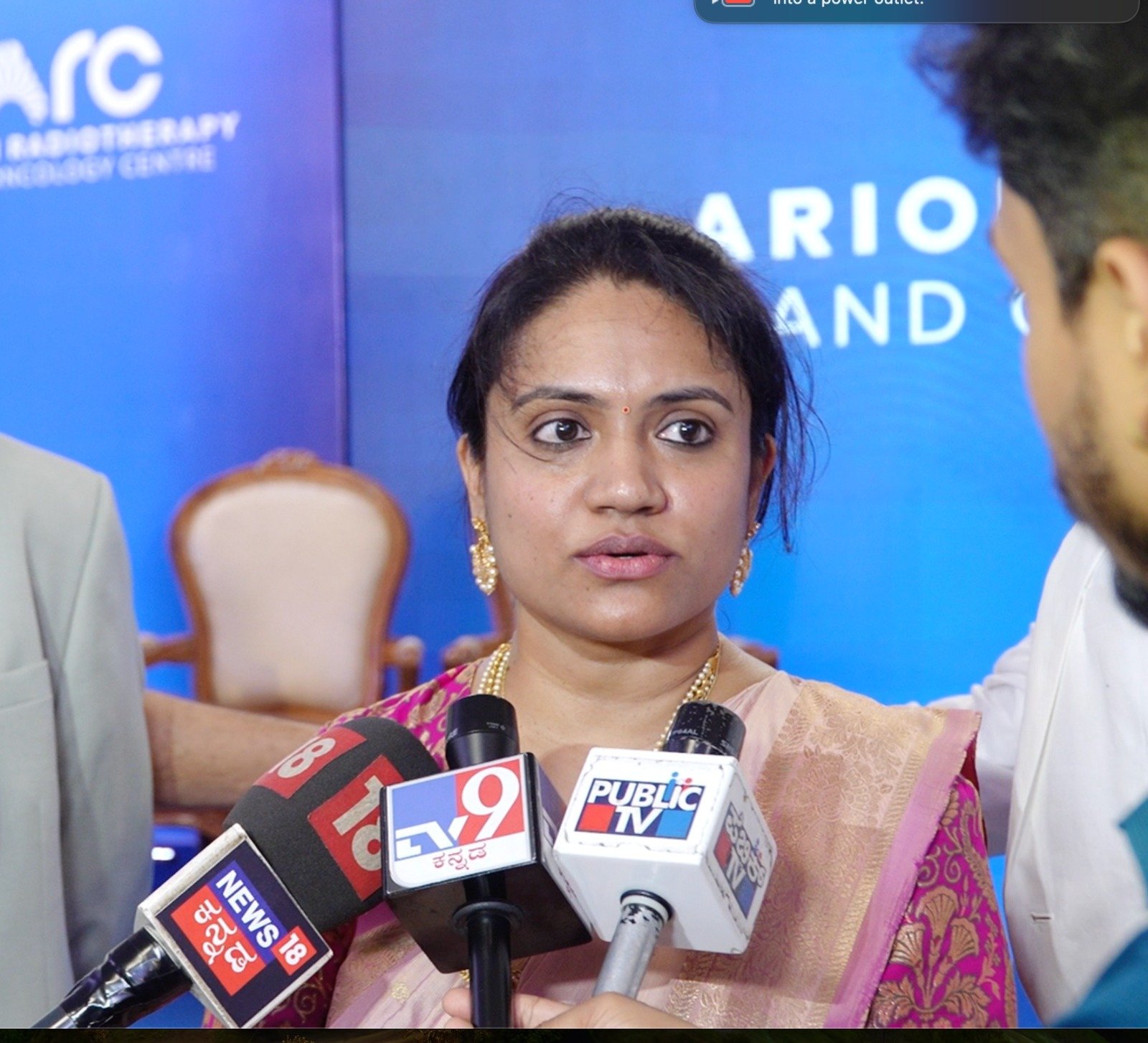
Launching ARC Cancer Hospital

Launching ARC – Cancer Hospital as the Medical Director. A Hospital for Cancer Patients that is by the doctors, of the doctors with a focus on Patient Safety, Patient Comfort and Patient Health

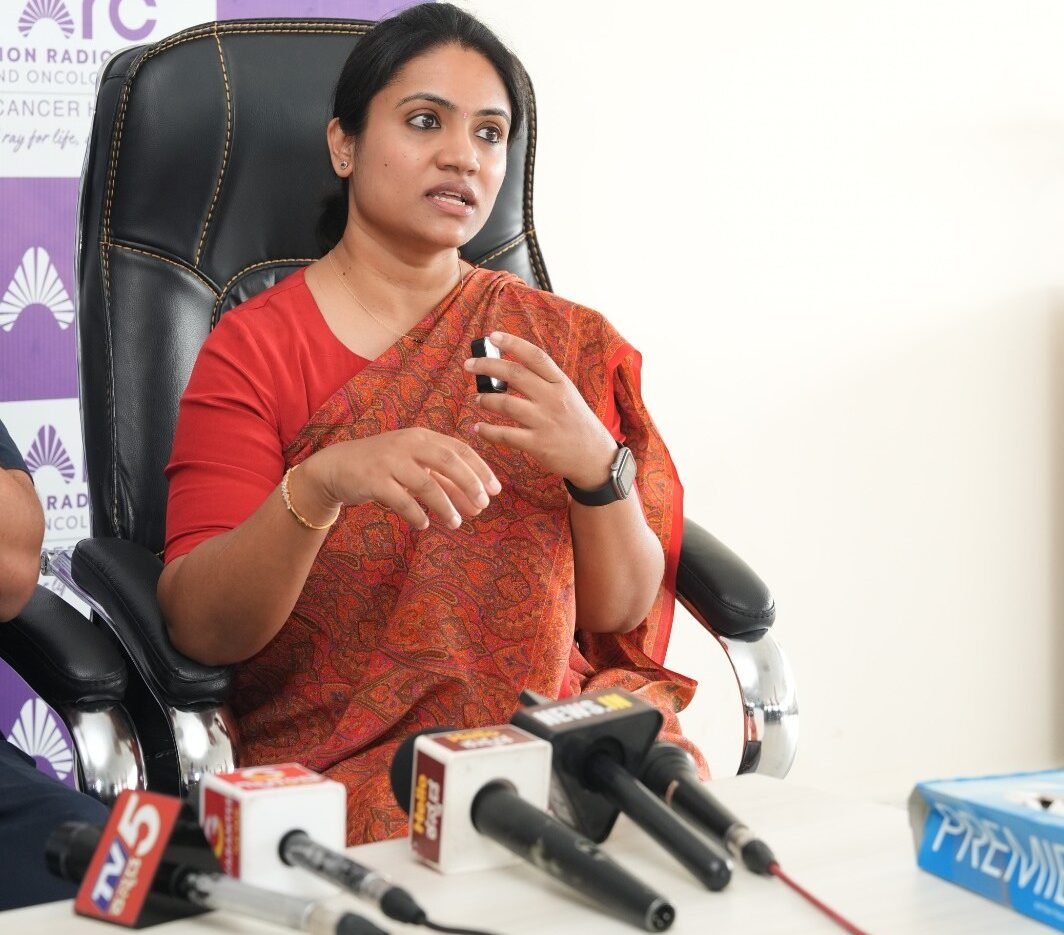
Tour ARC Cancer Hospital

Conducted a tour of ARC Cancer Hospital. A premium hospital with premium doctors and infrastructure accessible to every common man on the planet.

Dr Samskruthi MurthyMedical Director - ARC Cancer Hospital

Leading with compassion in Oncology.

MBBS

Built a strong foundation in medicine and patient care.

MS in ENT

Developed advanced surgical skills and clinical precision.

MCh in Head & Neck Oncology

Specialised in complex cancer management and reconstruction.

International Clinical Exposure

Integrated global expertise with evidence-based clinical practice.

Commitment to Patient Care

Get Answer To Your Most Asked Questions

We Are Here To Help With Your queries!
+91 95355 47980

FAQ'S On Skull Based Surgery

How do I know if I need skull base surgery?

Skull base tumours are usually identified on MRI or CT imaging, often ordered because of symptoms such as headaches, visual changes, facial numbness, hearing loss, or hormonal disturbances.

If imaging shows a tumour in or near the skull base, a consultation with a specialist in skull base surgery is the appropriate next step to understand what treatment is needed.

Is endoscopic skull base surgery safe?

In experienced hands, endoscopic skull base surgery has an excellent safety record for appropriate tumours.

As with all surgery, risks exist — including CSF leak, bleeding, and very rarely cranial nerve injury — but these rates are consistently lower with endoscopic approaches compared to open craniotomy for tumours suitable for endonasal access.

FAQ'S On Salvage Surgeries

Is salvage surgery appropriate for every patient with recurrent head and neck cancer?

No. Salvage surgery is appropriate only when disease is technically resectable, the patient is medically fit, and the expected benefit outweighs the risks. Alternative treatments such as re-irradiation, systemic therapy, immunotherapy, or palliative care may sometimes provide better outcomes.

Why are complication rates higher in salvage surgery than primary surgery?

Radiation permanently alters tissue by damaging blood vessels and impairing healing. This increases the likelihood of wound breakdown, fistula formation, and infection, making free flap reconstruction especially important.

FAQ'S On Advanced Thyroid Surgeries

What is the difference between a hemithyroidectomy and a total thyroidectomy?

A hemithyroidectomy removes only one lobe of the thyroid gland. It may be appropriate for very small, low-risk thyroid cancers confined to one lobe.

A total thyroidectomy removes the entire gland and is the standard for most thyroid cancers of significant size, bilateral disease, aggressive histology, or when radioactive iodine therapy is planned after surgery.

Will I need lifelong medication after thyroid surgery?

Yes. After total thyroidectomy, the body can no longer produce thyroid hormone, and lifelong thyroid hormone replacement — typically levothyroxine — is required.

In thyroid cancer patients, the dose is often adjusted to keep TSH levels slightly suppressed, reducing the stimulus for any residual cancer cells to grow.

This is managed by your endocrinologist in close coordination with the surgical team.

FAQ'S On Advanced Oral Cavity Cancer

Is advanced oral cavity cancer curable?

Yes, in many cases.

Advanced oral cavity squamous cell carcinoma — even Stage III and Stage IV disease — is potentially curable with surgery, particularly when combined with adjuvant chemoradiotherapy where indicated.

Early specialist referral and complete surgical resection are the most important factors.

How long is recovery after oral cavity surgery with free flap reconstruction?

Most patients spend 10–14 days in hospital after major oral cavity surgery with free flap reconstruction.

Return to eating and speaking varies — many patients begin swallowing fluids within the first week.

Full functional recovery, with speech and swallowing therapy, typically unfolds over three to six months.